Garage Door Parts 101: What Every Homeowner Needs to Know
A garage door is often the first line of defense for your home, providing security, insulation, and curb appeal. Yet, many homeowners overlook the complexity behind this essential home feature. Understanding the components that make up a garage door can help you maintain its functionality, extend its lifespan, and prevent costly repairs. From springs and rollers to panels and openers, each part plays a critical role in the overall performance and safety of the system. A well-informed homeowner can identify early signs of wear and tear, understand repair needs, and make educated decisions when upgrading or replacing components.
Moreover, garage doors are not just utilitarian structures; they are engineered systems designed to handle significant mechanical stress. Overlooking their parts can lead to operational failures, safety hazards, and inefficiencies in daily use. By familiarizing yourself with the anatomy of a garage door, you gain practical knowledge that empowers you to communicate effectively with service professionals, evaluate repair options, and maintain optimal performance. This guide breaks down key garage door parts, their functions, maintenance needs, and common challenges, providing homeowners with actionable insights to safeguard their property investment.
Garage Door Panels and Frames
Understanding Garage Door Panels
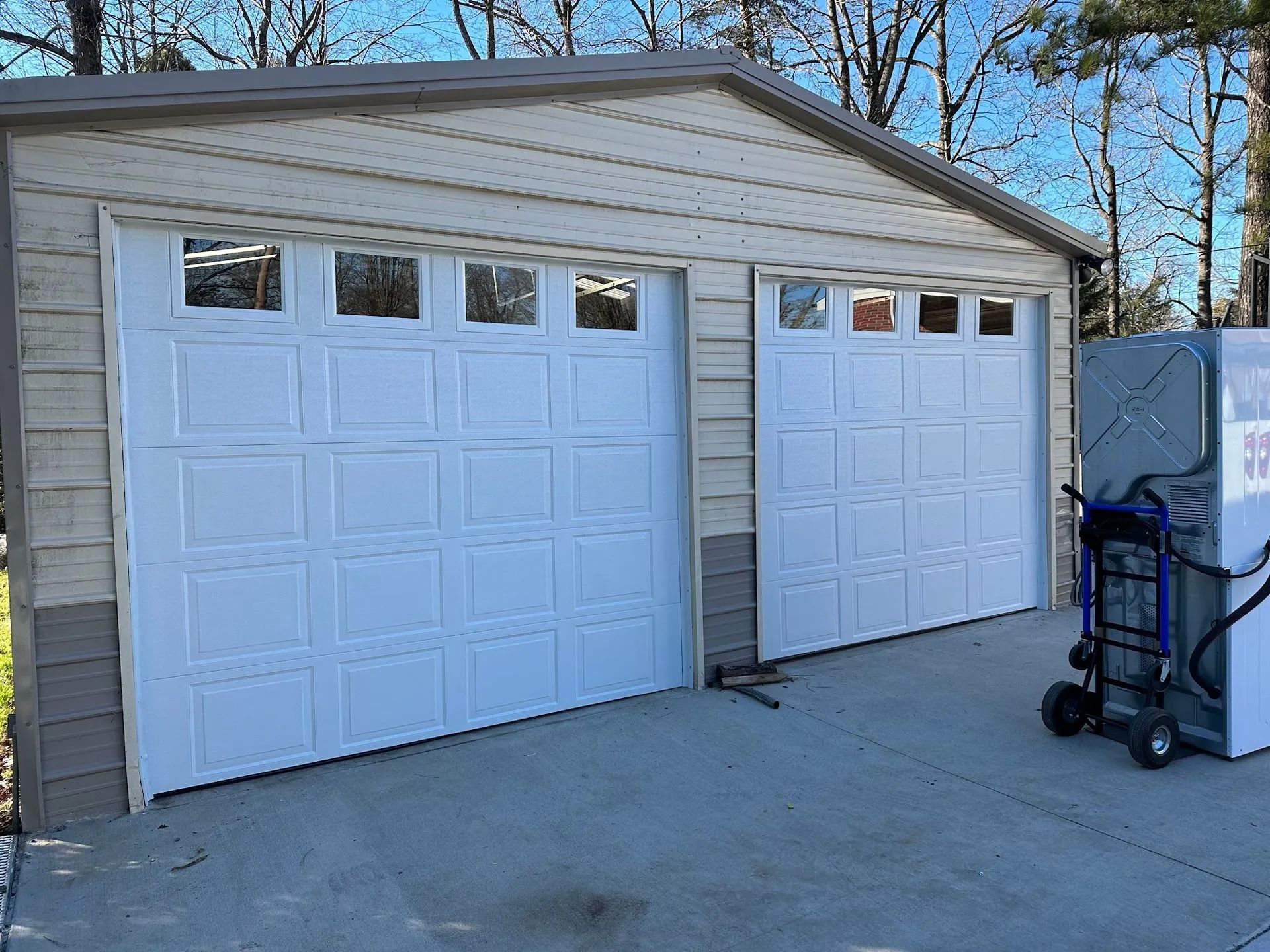
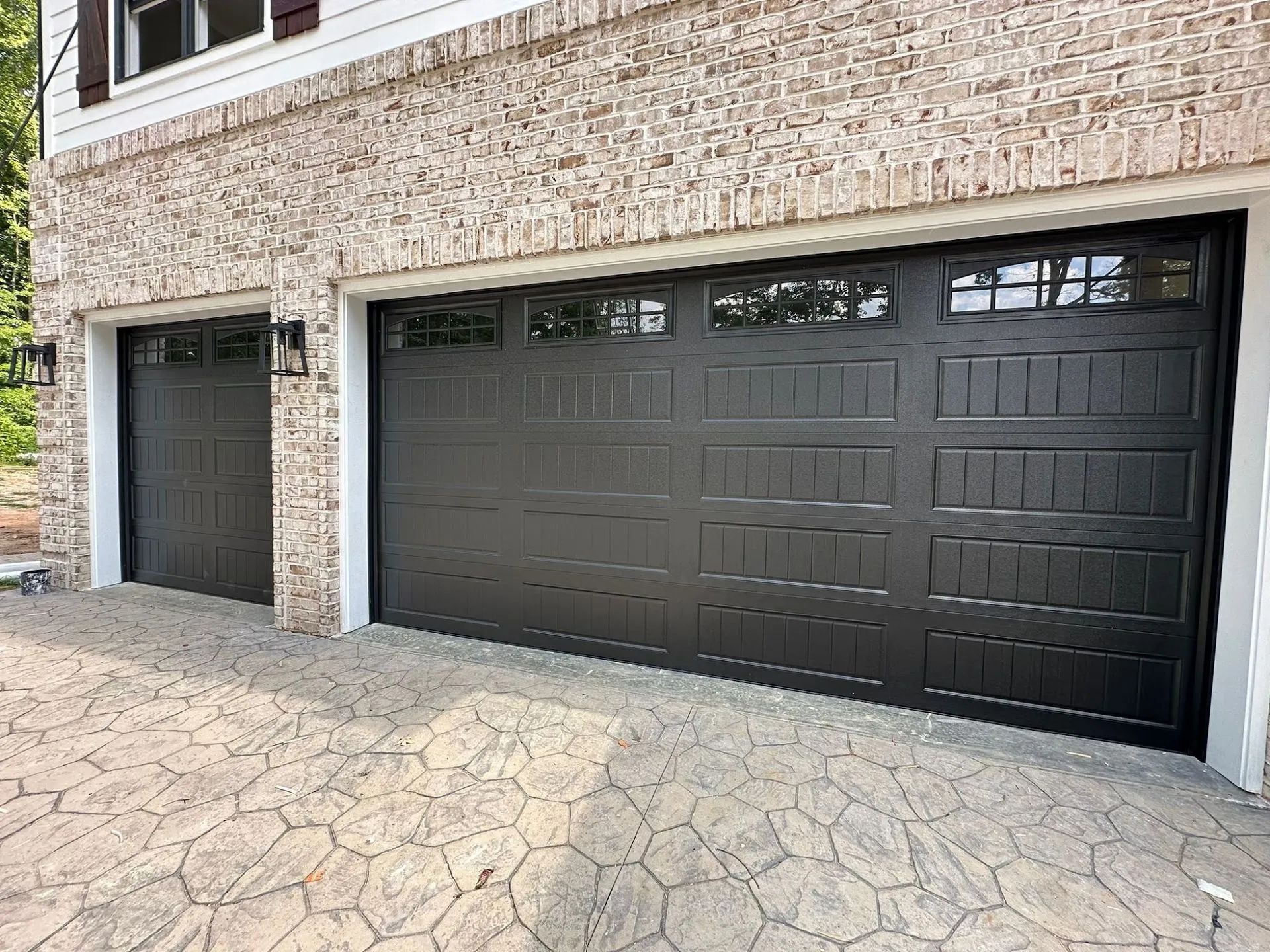
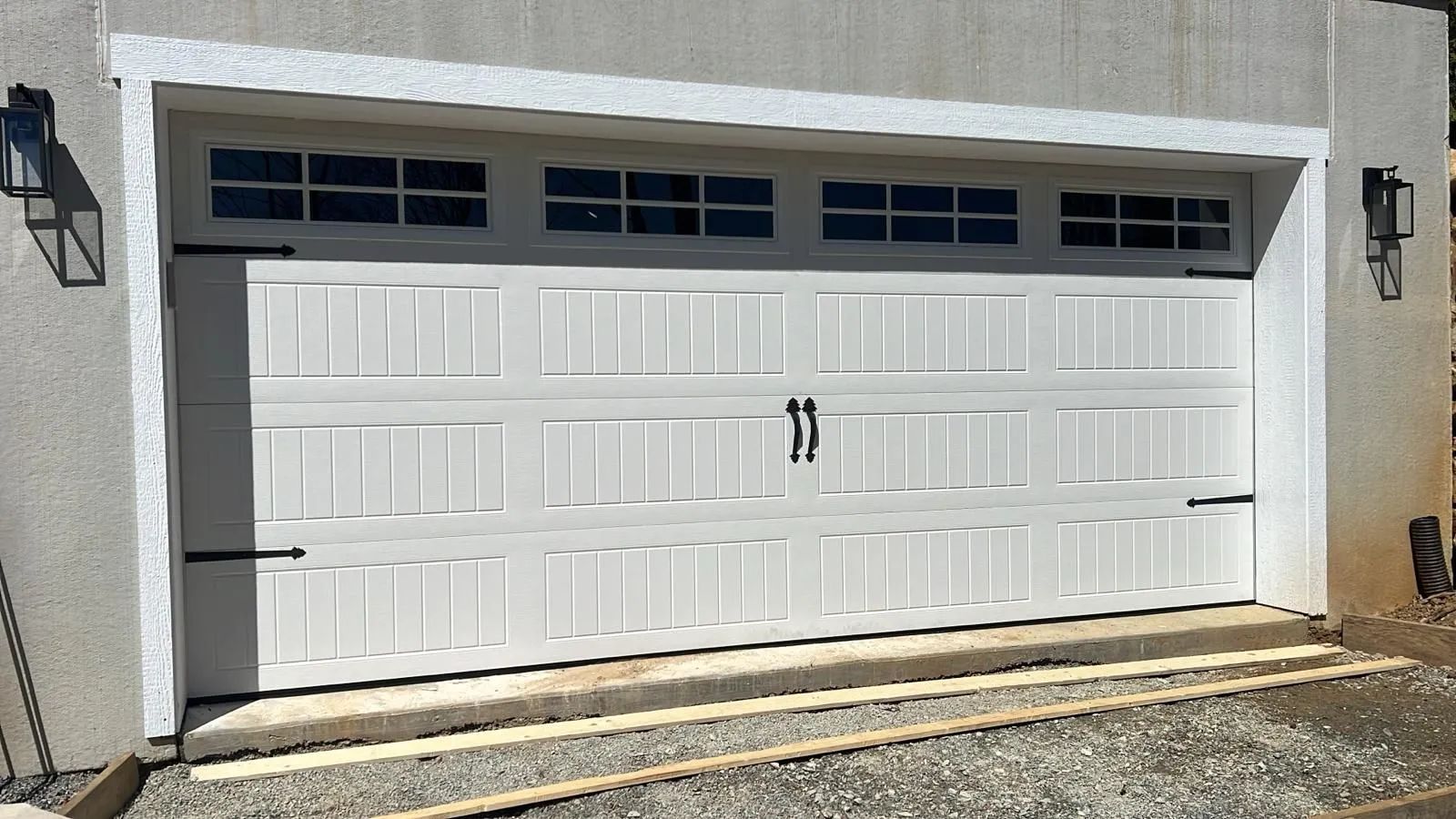
Garage door panels are the most visible parts of your garage door, forming the door’s surface and aesthetic appeal. Panels come in various materials, including steel, aluminum, wood, and composite materials, each offering distinct advantages. Steel panels are durable and low-maintenance, while wood provides a classic, customizable look but requires regular upkeep. Composite panels combine durability with aesthetic flexibility, making them popular for modern homes. The choice of panel material affects not only the door's appearance but also its insulation properties, resistance to dents, and overall longevity.
Frames and Structural Support
The door frame provides essential structural support for panels and other components. A sturdy frame ensures that the door remains square and balanced during operation. Frames are typically made from reinforced steel or aluminum, designed to withstand both the weight of the door and external forces such as wind or accidental impact. Weak or damaged frames can cause the door to warp, misalign, or bind during operation, potentially leading to costly repairs. Regular inspections for rust, dents, or loose connections can prevent small issues from becoming major structural problems.
Maintenance Tips for Panels and Frames
- Inspect panels for cracks, dents, or warping at least twice a year.
- Clean panels with a mild detergent to remove dirt, debris, and environmental pollutants.
- Check frame alignment and tighten any loose brackets or screws.
- Consider weatherproofing or repainting wooden panels to extend their lifespan.
Springs and Cables
Torsion Springs vs. Extension Springs
Springs are critical for the safe and efficient operation of a garage door, counterbalancing the door's weight to allow smooth opening and closing. Torsion springs, mounted above the door, provide a controlled and even lift, making them common in residential installations. Extension springs, located on either side of the door, stretch and contract as the door operates, offering a more cost-effective solution but generally requiring more maintenance. Both types of springs are under high tension and should only be serviced by trained professionals due to safety risks.
The Role of Cables
Garage door cables work in tandem with springs to lift the door safely and evenly. Typically made from high-strength steel, these cables transfer the force generated by the springs to the door itself. Over time, cables can fray, stretch, or snap, which can compromise door operation and create safety hazards. Regular inspection of cables for wear, rust, or misalignment is essential to prevent accidents and ensure the door functions correctly.
Common Challenges and Best Practices
- Springs have a finite lifespan, usually measured in cycles (10,000–30,000 cycles). Monitoring the number of openings and closings helps predict replacement needs.
- Avoid DIY adjustments on springs due to high-tension risks.
- Cables should be replaced in pairs to maintain balanced lifting and prevent uneven wear.
- Lubricate springs and cables with silicone-based oil to reduce friction and extend their life.
Rollers, Tracks, and Hinges
Garage Door Openers and Controls
Types of Garage Door Openers
Garage door openers are the motorized systems that automate door movement, providing convenience and enhanced security. Common types include chain-driven, belt-driven, and screw-driven openers. Chain-driven openers are cost-effective and durable but tend to be noisier. Belt-driven openers offer quieter operation and smoother movement, ideal for garages attached to living spaces. Screw-driven openers provide reliable lifting power with moderate noise levels and minimal maintenance requirements.
Safety Features and Sensors
Modern garage door openers include safety sensors to prevent accidents. Infrared sensors detect obstructions in the door’s path and reverse motion to avoid injury or property damage. Additionally, automatic stop functions, rolling code remotes, and smartphone connectivity enhance both safety and convenience. Testing these sensors monthly ensures they function correctly and comply with safety standards.
Maintenance and Troubleshooting
- Inspect the opener motor, gears, and drive mechanism for signs of wear or unusual noises.
- Replace batteries in remotes and keypads as needed.
- Ensure sensors are properly aligned and free of debris or obstruction.
- Regularly test the door’s auto-reverse function for reliable safety performance.
Weatherstripping and Insulation
The Role of Weatherstripping
Weatherstripping seals the edges of the garage door to prevent drafts, moisture, and pests from entering. It improves energy efficiency and protects interior items from environmental damage. Common materials include vinyl, rubber, and foam, each offering different durability and flexibility characteristics. Properly installed weatherstripping ensures a tight seal while accommodating door movement without interference.
Garage Door Insulation
Insulation within garage doors helps regulate temperature, reduce noise, and enhance energy efficiency. Options include polystyrene or polyurethane panels installed inside the door’s panels. Insulated doors are particularly beneficial in climates with extreme temperatures or for garages that serve as workshops, home gyms, or living-adjacent spaces.
Maintenance Tips
- Inspect weatherstripping for cracks, tears, or gaps and replace as needed.
- Clean weatherstripping periodically to remove dirt, debris, or mold buildup.
- Check insulation panels for compression or damage that could compromise effectiveness.
- Consider upgrading to a fully insulated door if energy efficiency and climate control are priorities.
Locks, Handles, and Accessories
Handles and Manual Operation
Handles allow manual operation in case of power outages or opener failure. While often overlooked, ergonomic and sturdy handles facilitate smooth, controlled movement and reduce strain on other components during manual operation.
Additional Accessories and Enhancements
Experienced Technicians Delivering Safe and Efficient Door Services
Understanding garage door parts is essential for homeowners seeking to maintain security, performance, and longevity. Panels, frames, springs, cables, rollers, tracks, hinges, openers, weatherstripping, insulation, and accessories each serve critical roles in ensuring a reliable and safe operation. Awareness of these components, combined with proactive maintenance, allows homeowners to prevent common issues, extend the lifespan of the door, and make informed decisions when repairs or upgrades are needed. By staying knowledgeable about your garage door’s anatomy and functionality, you reduce repair costs, enhance safety, and preserve the door’s aesthetic and operational quality.
For residents in Greensboro, North Carolina, seeking expert guidance or professional garage door services, JD Garage Door Services
stands out as a trusted authority. With over 15
years of experience in
garage door installation and repair, the company combines technical expertise with hands-on, personalized service. From routine maintenance and component replacement to emergency repairs and full installations, we ensure every project is completed with precision, safety, and attention to detail. Their team of skilled technicians is equipped to handle all types of doors and systems, delivering solutions that improve performance, longevity, and security. By partnering with JD Garage Door Services, homeowners gain peace of mind knowing their garage door investment is protected by seasoned professionals who prioritize quality, reliability, and customer satisfaction in every service.