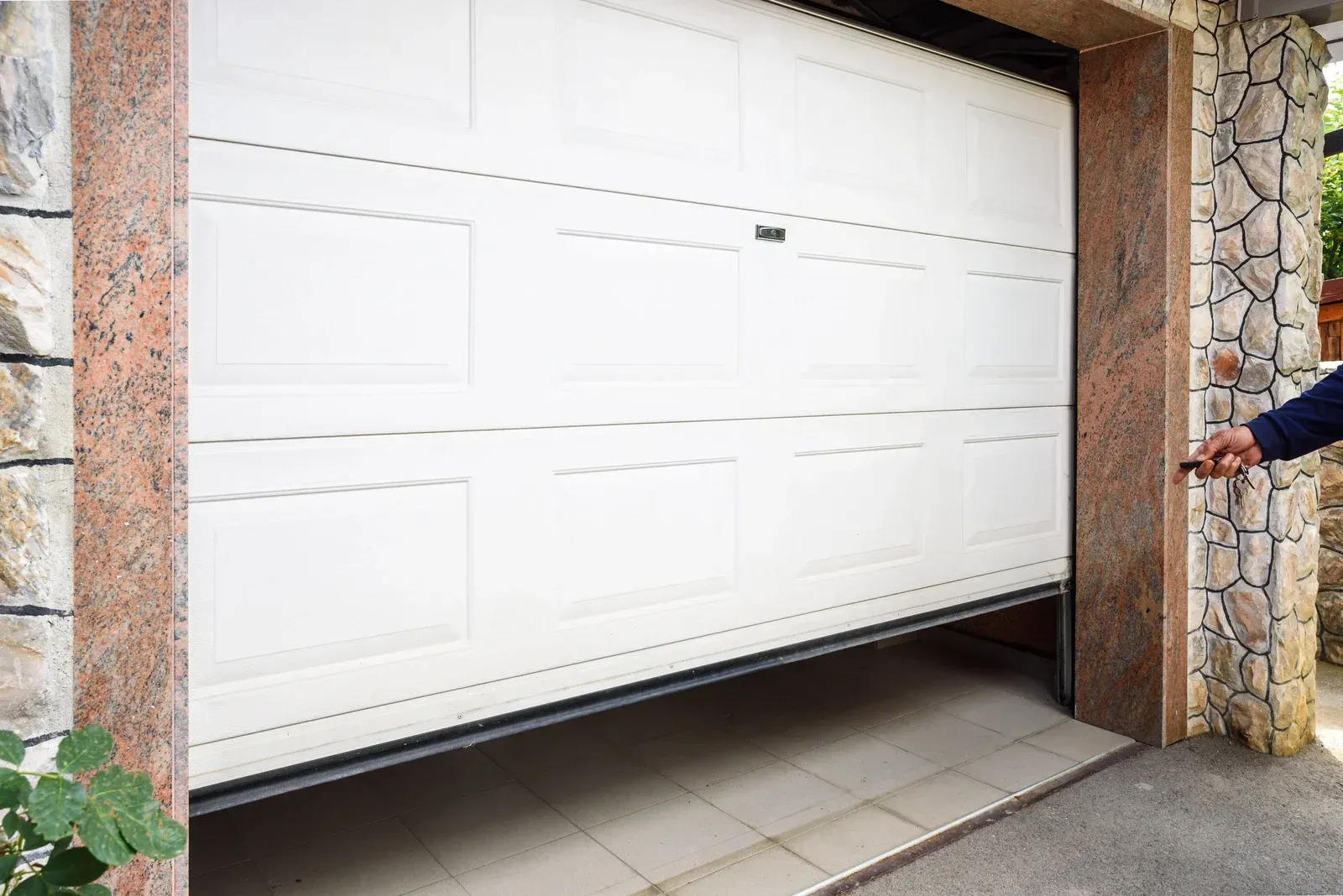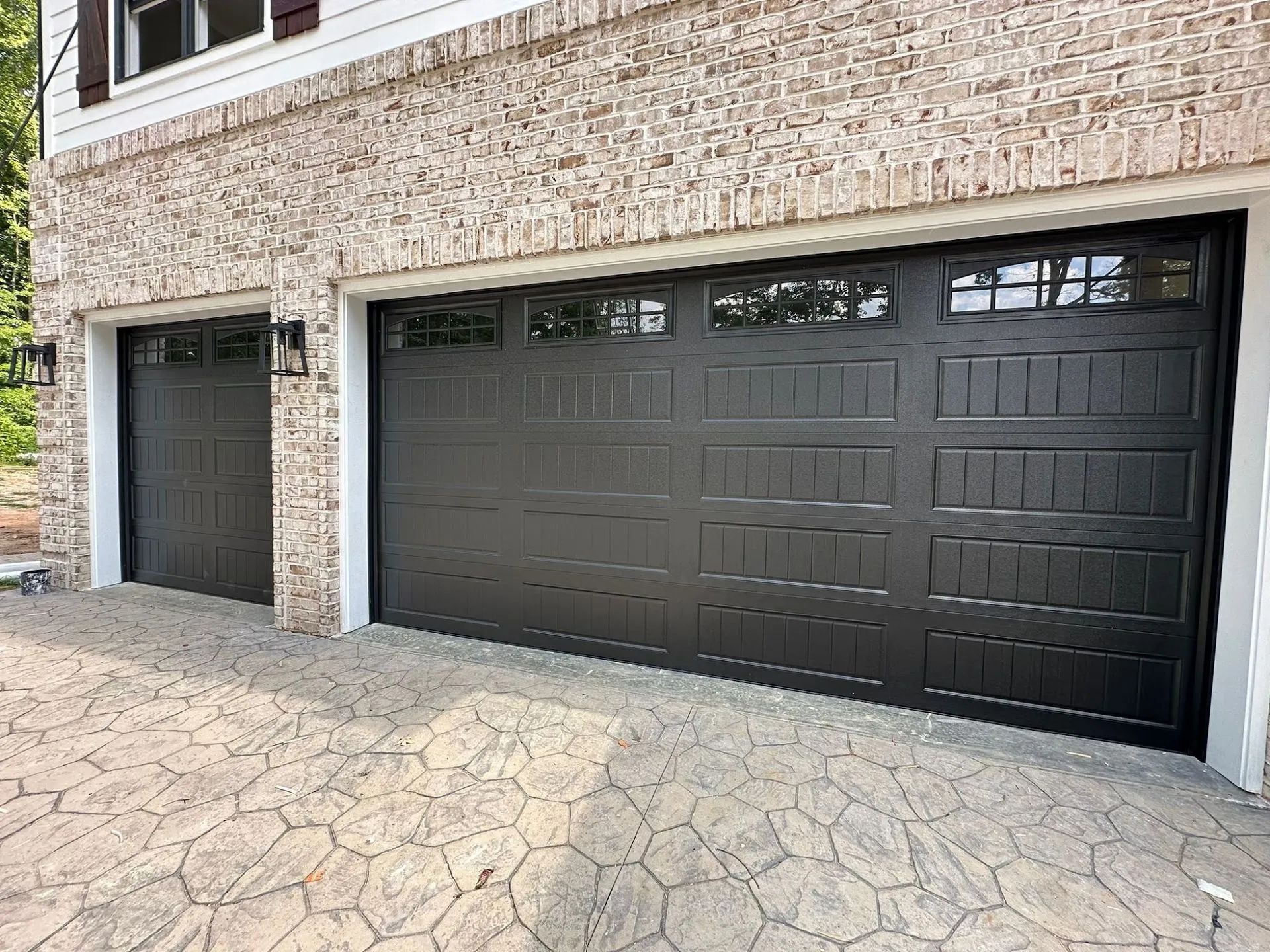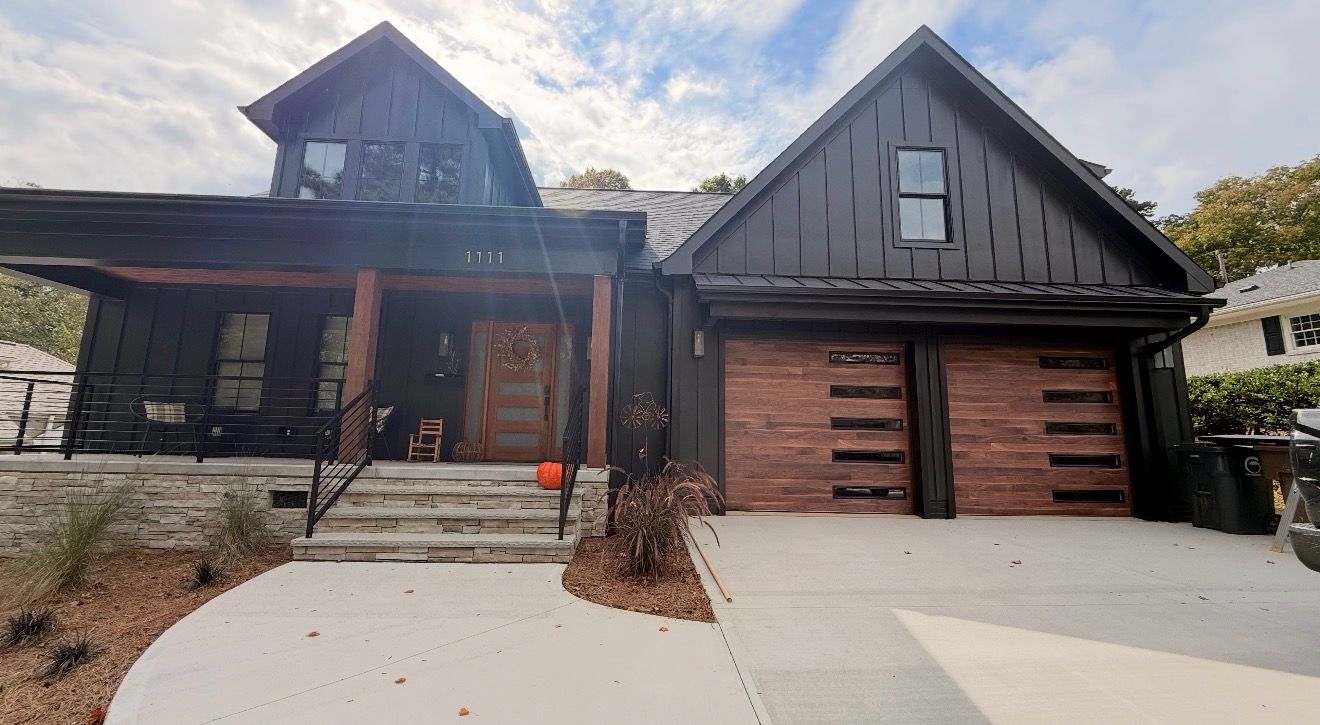
How to Extend Your Garage Door’s Lifespan — Expert Tips from Technicians
A garage door is one of the most frequently used mechanical systems in a home. Despite its everyday function, it often goes unnoticed until it malfunctions. Many homeowners underestimate the importance of proper maintenance, which can lead to premature wear, costly repairs, or even complete replacement. Understanding how to extend the lifespan of a garage door is essential not only for maintaining security but also for preserving the smooth operation, aesthetic appeal, and overall value of a property. Preventive care, timely inspections, and informed handling can significantly prolong its functionality, saving both time and money in the long run. Neglecting maintenance can also compromise safety, as worn springs or cables may fail unexpectedly. Implementing simple, regular care routines ensures the garage door continues to operate efficiently and safely, protecting both people and vehicles.
Garage doors operate under constant stress, balancing heavy panels, tensioned springs, rollers, and tracks. Environmental factors such as humidity, extreme temperatures, and debris exposure accelerate deterioration if neglected. By adopting professional-grade maintenance practices, homeowners can ensure reliable performance for years. This blog explores actionable, technician-recommended strategies to maximize garage door longevity. From routine inspections and lubrication to spring and opener care, practical insights are shared for anyone seeking to protect one of the most important access points of a home. Whether the garage is primarily for vehicle storage, workshop use, or additional living space, these strategies help maintain safety, efficiency, and aesthetic quality throughout its life. Consistent care also minimizes noise, prevents uneven operation, and reduces energy costs for motorized doors. Following expert recommendations transforms maintenance from a chore into a proactive investment in the home’s long-term value.
1. Routine Inspections: Catching Problems Early
Visual Assessment of Door Panels and Tracks
Frequent visual inspections are the first step in extending garage door lifespan. Examine the panels for dents, cracks, or warping, as these structural issues can compromise performance. Inspect tracks for bends, misalignments, or loose fasteners. Even minor deviations can cause uneven movement, strain on the opener, and increased wear on rollers and hinges. Checking these elements monthly allows early detection of problems before they escalate into costly repairs or replacements.
Identifying Wear in Springs and Cables
Garage door springs and cables handle the bulk of lifting weight. Torsion or extension springs under excessive strain can snap, creating dangerous situations. Look for rust, gaps in coils, fraying cables, or unusual stretching. A subtle squeak or uneven movement often signals spring fatigue. Monitoring these components and addressing issues promptly helps prevent sudden failures and extends overall system life.
Benefits of Preventive Checks
Routine inspections not only enhance safety but also reduce the long-term cost of ownership. Addressing minor issues prevents them from compounding, ensures smooth operation, and minimizes stress on mechanical parts. By dedicating time to a systematic check, reliability and functionality can be maintained over decades.
2. Proper Lubrication and Maintenance
Lubricating Moving Components
Lubrication is a critical, often overlooked factor in garage door longevity. Hinges, rollers, bearings, and tracks require appropriate lubrication to reduce friction. Use a high-quality garage door lubricant rather than general-purpose oils, as specialized products protect metal surfaces and resist dust accumulation. Apply lubricant sparingly along moving joints to maintain smooth, quiet operation without attracting dirt.
Maintaining Rollers and Hinges
Rollers and hinges endure daily stress, especially on heavy doors. Nylon rollers may require less maintenance but still benefit from occasional lubrication. Steel rollers and bearings are more prone to wear and require consistent care. Inspect hinges for rust or loosened fasteners, and replace damaged components promptly. Small adjustments or replacements prevent more significant damage to the door structure.
Cleaning Tracks and Exterior Surfaces
Debris accumulation in tracks can obstruct smooth movement and overwork the opener. Clean tracks with a dry cloth or soft brush and remove dirt, dust, and buildup. Avoid heavy oiling inside tracks, which can cause grime buildup. Additionally, washing door surfaces with mild soap and water maintains aesthetic appeal and prevents corrosion. These simple maintenance tasks contribute significantly to door longevity.
3. Balancing and Spring Maintenance
Reducing Stress on Mechanical Parts
4. Opener Care and Safety Features
Inspecting and Testing the Opener
Garage door openers are more than convenience devices; they regulate the lifting and lowering of heavy doors. Regular testing ensures proper operation and prevents motor burnout. Observe how the opener responds during full cycles, noting unusual sounds, jerky movements, or slow operation. These issues often signal worn gears, misaligned tracks, or motor strain.
Maintaining Drive Systems
Different drive systems—chain, belt, or screw—require specific maintenance. Chains benefit from lubrication, belts need periodic inspection for fraying, and screw drives require cleaning and light lubrication. Keeping the drive mechanism in optimal condition prevents excessive wear, reduces noise, and ensures longevity.
Safety Sensors and Automatic Reversal
Modern openers include sensors and auto-reversal features to prevent accidents. Sensors must be aligned and free from debris, while reversal functions should respond to obstructions reliably. Regular testing preserves safety and prevents mechanical overexertion from misaligned or blocked sensors. Maintaining these features protects both users and mechanical integrity.
5. Environmental Considerations and Door Protection
Impact of Weather and Temperature
Garage doors face continuous exposure to elements. Extreme heat or cold, humidity, and precipitation can accelerate wear, warp panels, or corrode metal components. Insulated doors and weather-resistant finishes help mitigate environmental damage, while proper sealing prevents moisture infiltration that leads to rust and swelling.
Protecting Against Debris and Moisture
Debris, leaves, and ice accumulation in tracks or around the door can obstruct movement and increase stress on components. Remove debris regularly, ensure drains or gutters nearby function properly, and consider adding protective awnings or trim to limit direct exposure. Moisture management preserves both operational efficiency and visual appeal.
Material-Specific Maintenance
Different door materials—steel, wood, aluminum, or composite—require tailored care. Steel doors benefit from anti-rust coatings, wood doors require periodic staining or sealing, and aluminum doors need gentle cleaning to avoid scratches. Understanding material-specific maintenance ensures durability and prevents premature deterioration.
6. Practical Tips and Long-Term Strategies
Schedule Professional Inspections
Keep Replacement Parts on Hand
Key components like rollers, hinges, cables, and weatherstripping may wear over time. Having compatible replacement parts readily available allows immediate repairs and prevents prolonged stress on other components. This proactive approach minimizes downtime and protects the entire system.
Implement Seasonal Maintenance
Seasonal changes affect garage door performance. Inspect and lubricate components in spring and fall, check insulation before winter, and address rust or paint issues during summer. Seasonal attention prevents weather-related damage and ensures year-round smooth operation.
Reliable Garage Door Solutions from Skilled Professionals
Extending the lifespan of a garage door requires a combination of proactive inspection, routine maintenance, balanced operation, and environmental protection. Attention to springs, rollers, tracks, openers, and weather exposure ensures reliable performance, reduces costly repairs, and maintains structural integrity over decades. Simple actions like lubrication, cleaning, balance checks, and seasonal adjustments have cumulative effects that greatly prolong functionality. Safety features, proper handling, and professional guidance complement DIY efforts, making the system both efficient and secure.
At JD Garage Door Services, experience and expertise drive every service provided in Greensboro, North Carolina. With over 15
years of focused work in garage door installation and repair, we understand the nuances that contribute to long-lasting performance. From routine inspections and spring adjustments to opener optimization and material-specific maintenance, we apply proven techniques that ensure safety, reliability, and durability. Trust in our skilled approach to protect your investment, keep daily operations seamless, and extend the life of one of the most important mechanical systems in any home.