Garage Door Service Checklist: What We Inspect During a Professional Visit
A garage door is more than just an entry point for vehicles—it is a critical component of home security, energy efficiency, and daily convenience. Many homeowners underestimate the complexity of a modern garage door system, which combines mechanical, electrical, and safety features into a single, high-functioning unit. Regular maintenance and inspections are essential to ensure smooth operation, prevent unexpected breakdowns, and extend the lifespan of the door. A professional garage door service visit offers a thorough evaluation that goes beyond surface-level checks, identifying potential issues before they escalate into costly repairs.
Understanding what is inspected during a professional visit can empower homeowners to make informed decisions about maintenance and repairs. From checking the mechanical components like springs and rollers to testing safety features and reviewing the door’s balance, each aspect is crucial for optimal performance. This blog provides a detailed garage door service checklist, explaining the key inspections conducted during a professional visit and highlighting why each step is vital for maintaining a safe, reliable, and efficient garage door system.
1. Visual and Structural Inspection
Door Panel Condition
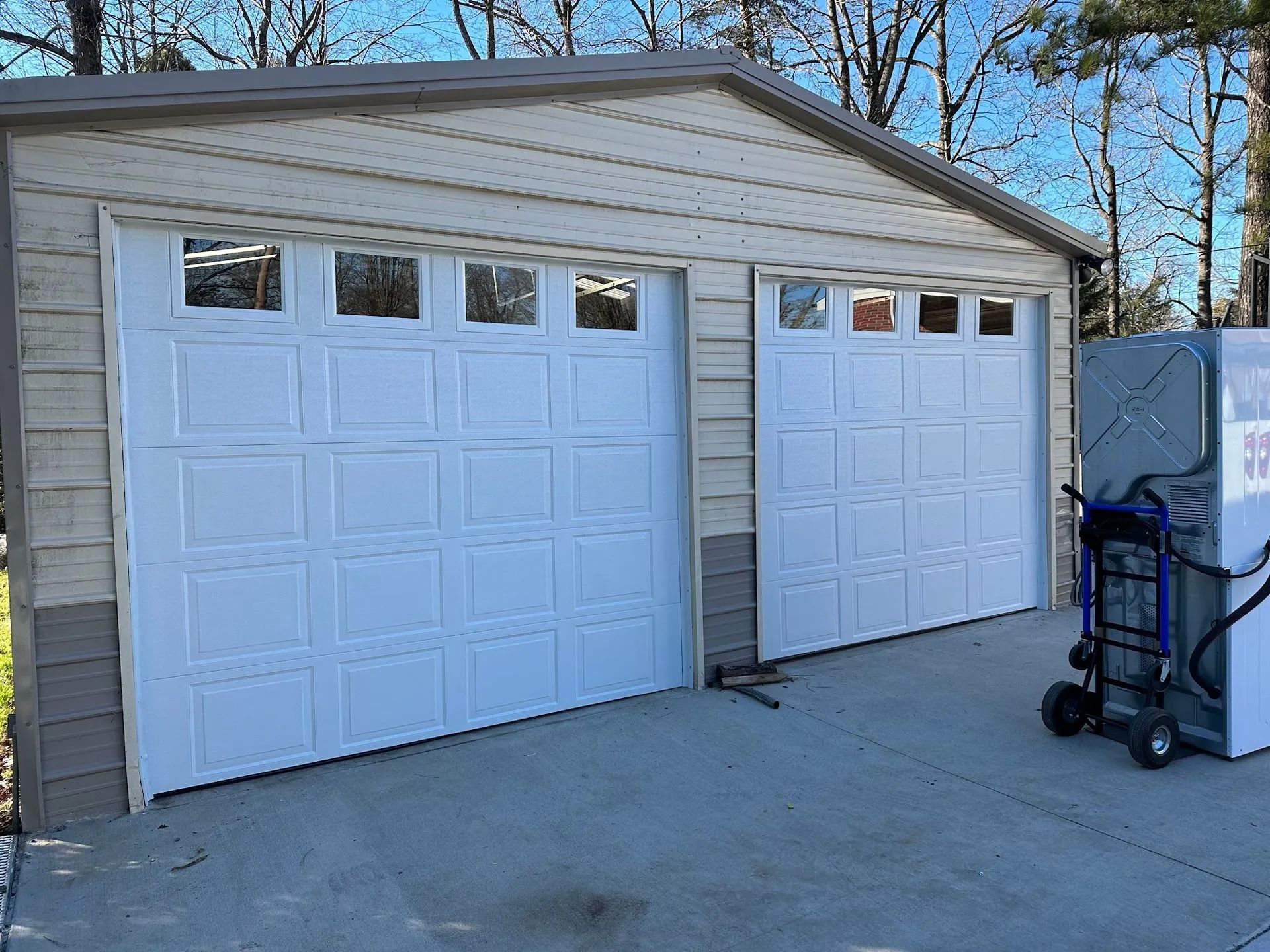
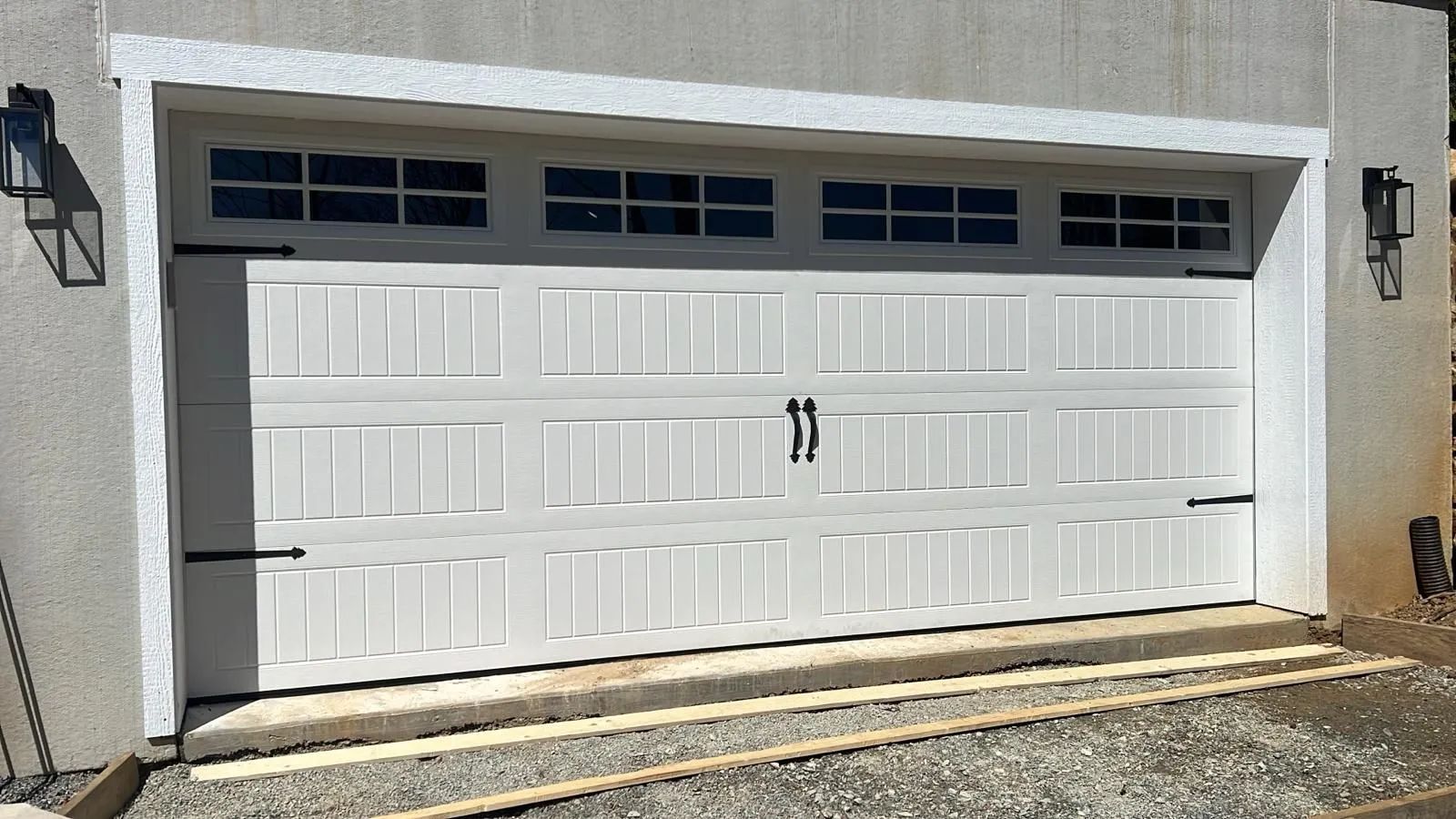
The first step in any professional garage door inspection is a complete visual assessment of the panels. Inspect for dents, cracks, warping, or discoloration that could compromise the door’s structural integrity. Even minor damage can escalate, causing misalignment or added stress on the opener. Hinges, brackets, and fasteners are checked for corrosion or loosening to maintain stability and safety during operation.
Track Alignment and Mounting
Garage door tracks are essential for guiding the door’s movement. Professionals ensure tracks are correctly mounted, straight, and free from bends or dents. Misaligned tracks can create uneven movement, accelerate roller wear, and cause jerky or noisy operation. Proper alignment reduces strain on components, prevents accidents, and guarantees smooth operation. Regular inspection keeps the door functioning efficiently and prolongs the system’s lifespan.
Frame and Threshold Inspection
The frame and threshold surrounding a garage door must be inspected for gaps, warping, or water damage. Warped frames can cause sticking or misalignment, and thresholds in poor condition reduce energy efficiency while allowing water intrusion. Ensuring a secure frame and intact threshold supports smooth operation and long-term durability. Proper assessment prevents structural issues and maintains safety, efficiency, and performance for daily garage door use.
2. Mechanical Component Evaluation
Springs and Cables
Springs and cables are vital for counterbalancing the door’s weight and ensuring smooth movement. Professionals inspect torsion or extension springs for rust, wear, or broken coils and assess cable tension. Signs of fatigue or fraying indicate a need for immediate replacement, preventing potential hazards. Proper maintenance ensures safety, minimizes strain on components, and helps the garage door operate reliably under daily use without unexpected failures.
Rollers and Hinges
Rollers and hinges allow smooth gliding of the door along the tracks. Professionals examine them for wear, cracks, or misalignment that may cause uneven movement or sticking. Lubrication is applied to reduce friction, maintain quiet operation, and prolong lifespan. Replacing worn rollers or hinges is cost-effective and prevents long-term mechanical damage. Regular maintenance ensures smooth, safe, and reliable performance for both manual and automatic operation.
Pulleys and Drums
Pulleys and drums work with cables and springs to lift the door efficiently. Professionals inspect for worn grooves, corrosion, and alignment issues that could compromise movement. Malfunctioning pulleys or drums can cause uneven lifting, stress components, or even cable failure. Regular assessment ensures proper function, balance, and safety. Preventive maintenance reduces the risk of sudden mechanical failure, providing smooth operation and consistent performance during daily use.
3. Safety Feature Testing
4. Opener and Electrical System Check
Motor and Drive Components
Garage door openers rely on motors and drive systems for movement. Professionals inspect the motor for unusual noises, overheating, and signs of wear. Belt, chain, or screw drives are checked for proper tension and alignment. Smooth operation reduces strain and prevents premature damage. Ensuring the opener functions correctly maintains consistent performance, prevents failures, and extends the system’s life, providing reliable service for everyday garage access.
Remote and Wall Control Testing
Remote and wall-mounted controls are tested for responsiveness, range, and battery function. Professionals assess signal reliability, connection strength, and operational accuracy. Regular testing prevents unexpected failures and ensures smooth user experience. Maintaining reliable control devices guarantees convenient, safe, and efficient door operation. Proper functionality also reduces frustration and ensures consistent performance, allowing homeowners to confidently operate the garage door manually or automatically with minimal risk of issues.
Electrical Connections and Safety Circuits
Loose wires, corroded terminals, or damaged connectors compromise garage door safety and function. Professionals inspect all electrical connections and test safety circuits for proper operation. Ensuring reliable electrical systems prevents accidental activation, component damage, or user injury. Properly functioning circuits support smooth and safe operation, maintain compliance with safety standards, and reduce the likelihood of costly repairs or dangerous malfunctions during everyday use.
5. Performance and Balance Assessment
Door Balance Testing
Properly balanced garage doors reduce stress on mechanical components and ensure smooth operation. Professionals disengage the opener and manually lift the door to test balance. A drifting or heavy door indicates adjustment needs for springs or other components. Balanced doors operate quietly and safely, improving performance and reducing wear. Regular balance testing prevents unnecessary strain on hardware and enhances the lifespan and reliability of the garage system.
Speed and Movement Evaluation
Garage doors should open and close consistently at the correct speed. Professionals monitor movement for jerks, hesitation, or uneven motion, which can indicate misalignment, wear, or lubrication issues. Correcting these problems improves performance, reduces stress on mechanical parts, and prevents long-term damage. Smooth operation enhances convenience, ensures safety, and preserves system reliability for daily use, offering homeowners consistent and efficient garage door function.
Noise Level Assessment
Excessive noise during operation may signal worn rollers, loose hardware, or track misalignment. Professionals listen carefully and identify sources of irregular sounds. Addressing noisy components restores quiet operation, improves safety, and indicates proper mechanical function. Noise assessment is a practical diagnostic tool, helping prevent further wear and ensuring optimal performance. Regular monitoring and adjustment maintain smooth, silent operation for daily garage access.
6. Maintenance Recommendations and Documentation
Tightening and Adjustments
Loose hardware, misaligned tracks, and uneven springs are corrected during professional service visits. Ensuring all bolts, screws, and brackets are secure reduces the risk of malfunctions or accidents. Minor adjustments often prevent major repairs, saving both time and money. Properly tightened components support smooth operation, enhance safety, and maintain the longevity of the garage door system, ensuring daily functionality and reliability.
Trusted Maintenance for Long-Lasting Garage Door Function
A professional garage door service is essential for ensuring safety, reliability, and long-term performance. From visual inspections of panels and frames to evaluating mechanical components, safety features, and electrical systems, every aspect of the garage door is carefully assessed. Regular inspections help identify potential issues before they escalate, maintain smooth operation, and prolong the lifespan of the system. Performance checks, balance testing, and detailed maintenance recommendations provide a comprehensive understanding of the door’s condition, ensuring peace of mind for homeowners and preventing costly repairs.
JD Garage Door Services, based in Greensboro, North Carolina, brings over 15
years of expertise in garage door installation and repair. With a commitment to quality, precision, and customer satisfaction, we ensure every inspection and service adheres to the highest industry standards. Our experience allows us to identify even subtle issues and implement effective solutions efficiently. Trust us for reliable maintenance, expert repairs, and professional guidance, keeping your garage door safe, fully functional, and long-lasting.